


About the program
The “Applied Mathematics” program is aimed at training specialists capable of solving practical problems in the fields of information technology, economics, engineering, and data analysis using mathematical methods. The educational process combines fundamental mathematical training with modern digital technologies, programming, and modeling of complex processes.
Students of the program study mathematical analysis, algebra, probability theory, artificial intelligence, machine learning, and data processing methods. Special attention is also given to developing analytical thinking, programming skills, and the ability to create effective mathematical models for solving real-world problems of the modern digital economy.
Based on UK credits
What knowledge and skills will you gain during the training?
- Deep knowledge of mathematical analysis, algebra, probability theory, and mathematical modeling, as well as the ability to apply these methods to solve practical problems in economics, information technologies, and engineering.
- Skills in programming, algorithm development, and working with databases, supported by practical experience with modern IT tools and digital technologies.
- Competencies in the field of artificial intelligence and machine learning, including data processing, analysis, and visualization skills.
- Analytical and logical thinking abilities developed through project-based and research activities.
- Readiness for professional activity in the field of high technologies and the digital economy.
What does a specialist do?
- Develops mathematical models and algorithms for solving applied problems.
- Analyzes and processes data for forecasting and decision-making.
- Creates software solutions and automates computational processes.
- Uses artificial intelligence, machine learning, and data analysis technologies.
- Participates in scientific, research, and IT projects aimed at developing innovative solutions.

Tajikhodjaeva Elvira Rashidovna
Head of the Department of “Information Technologies and Mathematics”
Systems Engineer, Tashkent State Technical University named after Beruni, 1996.
Reasons to choose this program
High Demand
Specialists in applied mathematics are in high demand in IT companies, the financial sector, data analytics, engineering and scientific research. The rapid development of digital technologies and artificial intelligence makes this profession one of the most promising areas in the modern labor market.
Future Career
Graduates can build successful careers in Data Science, artificial intelligence, programming, analytics, financial technologies, and scientific research. The program opens opportunities for employment in international IT companies and innovative projects.
International Opportunities
Applied mathematics is a universal and highly demanded field worldwide. The acquired knowledge and skills provide opportunities to participate in international projects, internships, academic programs, and work in foreign companies.
Salary
Specialists in applied mathematics, data analytics, and artificial intelligence are among the highest-paid professionals in the technology sector. Salary levels depend on specialization, experience, and international competencies, but remain consistently high in the global labor market.
Recognized Higher Education Diploma
In accordance with Article 31 of the Law of the Republic of Uzbekistan “On Education,” diplomas issued by licensed non-governmental higher education institutions are recognized on an equal basis with diplomas issued by state higher education institutions within the territory of the Republic of Uzbekistan.
Ready to take
the next step?
Get advice on admission and learn all the conditions for studying in the program

Curriculum
1 year
Acquire fundamental knowledge of mathematics through the study of a number of modules, such as algebra, geometry, elementary mathematics, number theory, differential equations, mathematical analysis, as well as number systems and numerical methods.
The study of these modules will serve as a basis for further in-depth study of mathematical
Semester 1
Algebra 1
20 credits
Academic Writing and Research Skills
10 credits
Elementary Mathematics
10 credits
Modern History of Uzbekistan
10 credits
Number Theory
10 credits
Semester 2
Philosophy
10 credits
Algebra 2
20 credits
Differential Equations
10 credits
Geometry 1
20 credits
2 year
Development theoretical knowledge and practical skills by means of studies such modules like Mathematical logics and theory algorithms, discrete mathematics, theory stability, theory probabilities and Mathematical statistics, mathematics analysis.
Except that, given well starts studying theoretical basics informatics, operating and informational systems.
Development these modules is base for studies complex IT subjects on subsequent courses.
Semester 3
Geometry 2
20 credits
Mathematical Analysis 1
20 credits
Discrete Mathematics
20 credits
Semester 4
Mathematical Analysis 2
20 credits
Probability Theory and Mathematical Statistics
20 credits
Theoretical Foundations of Informatics
10 credits
Numerical Systems and Numerical Methods
10 credits
Introductory Internship
20 credits
3 year
Deepening of acquired knowledge and skills by studying the basics of automation and computer technology, artificial intelligence, programming and robotics, computer graphics and animation, software for mechatronic and robotic systems, as well as web programming. The acquired knowledge also forms a comprehensive basis for professional activity in the field of programming and robotics.
Semester 5
Operating Systems. Information Systems
20 credits
Computer Architecture
20 credits
Fundamentals of Artificial Intelligence and Operations Research
20 credits
Semester 6
Programming and Robotics
20 credits
Fundamentals of Automation and Computing Technology
10 credits
Software for Mechatronic and Robotic Systems
20 credits
Industrial Internship
10 credits
4 year
Improving knowledge and skills with in-depth study of information security, visualization methods and computer modeling.
The course also places emphasis on developing teaching skills through the study of pedagogy and psychology, as well as methods of teaching mathematics and computer science.
In addition, teaching practice is provided to implement the acquired theoretical knowledge.
The course concludes with the preparation and defense of a final qualifying work.
Semester 7
Information Security
20 credits
WEB Programming
10 credits
Solving Problems in Informatics
10 credits
Pedagogy and Psychology
20 credits
Semester 8
Methods of Teaching Mathematics
10 credits
Methods of Teaching Informatics
10 credits
Qualification Internship
20 credits
Graduation Qualification Work or Final Examination
20 credits
Tuition fees for the program
14 000 000 UZS
UZS/year
International students in Uzbekistan pay the indicated tuition fees. Outside of Uzbekistan, payment is made in US dollars at the exchange rate set by the Central Bank of the Republic of Uzbekistan on the day of payment.
How to pay for tuition
Admission requirements for the first year of study
For admission, all applicants must submit anONLINE APPLICATION ONLY THROUGH THE UNIVERSITY’S OFFICIAL WEBSITE.
Eligible Applicants
- — Graduates of schools, colleges and academic lyceums. Applicants must be at least 16 years old by December 31, 2026.
- — Applicants must successfully pass the TIUE entrance examination.
Required Documents
- — High school certificate (Grade 11) or academic lyceum/college diploma with transcript
- — Copy of ID card
How to apply
Submit an application through the official website
Provide documents
Pass the entrance exams
Pay your tuition and become a student
Teachers of the program

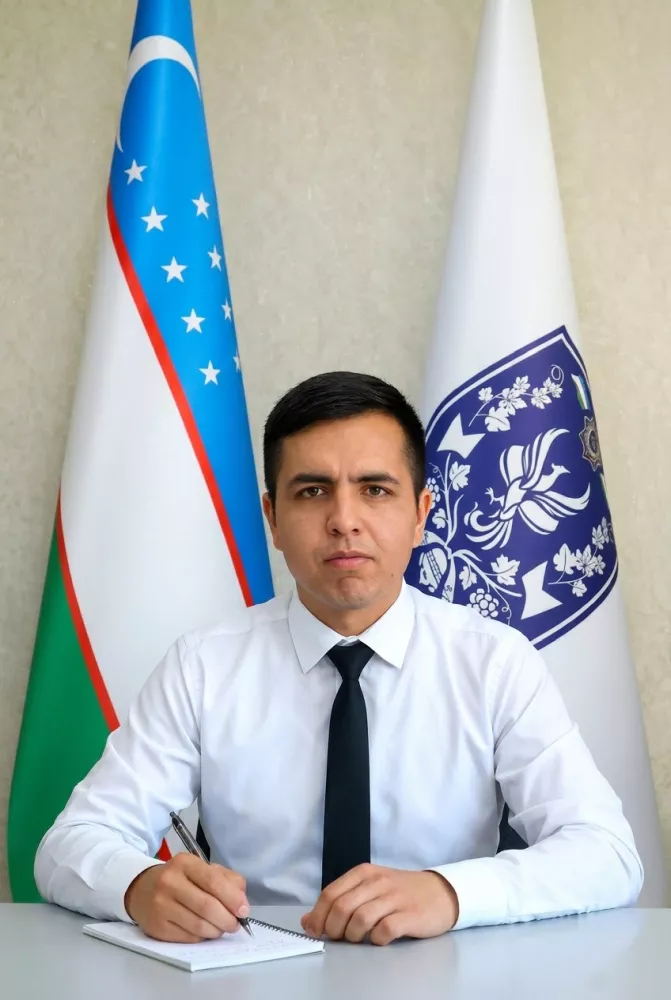
Eshmatov Bakhtiyor Khasanovich
DSc, Professor of the Department of Information Technologies and Mathematics
Tashkent State University of Law, 2002
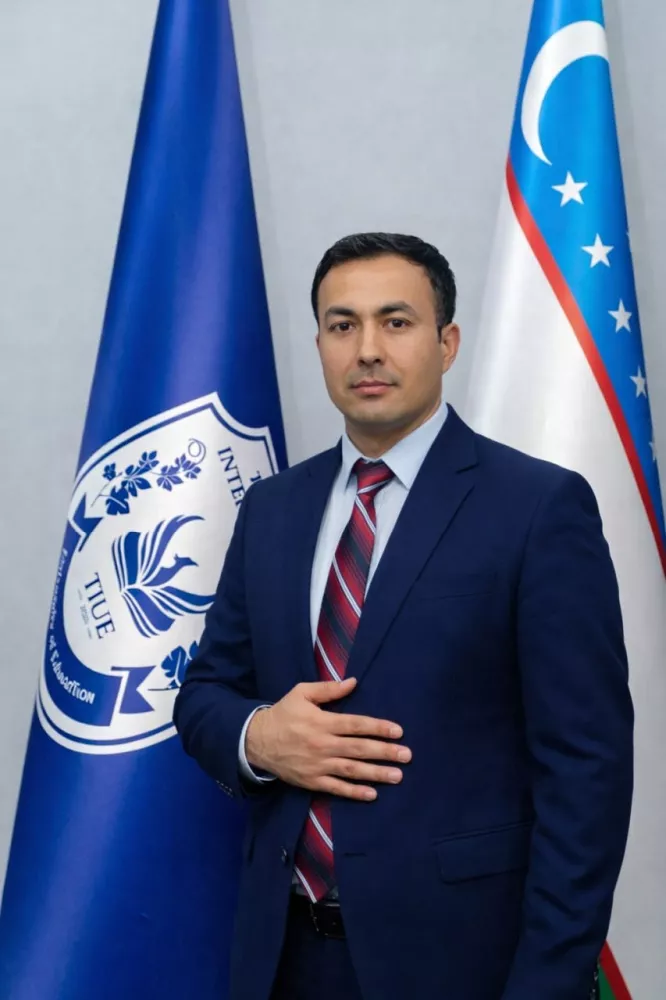
Murodullaev Bakhtiyor Tulkin ugli
PhD, Senior Lecturer of the Department of Information Technologies and Mathematics
Tashkent University of Information Technologies named after Muhammad al-Khwarizmi, 2018
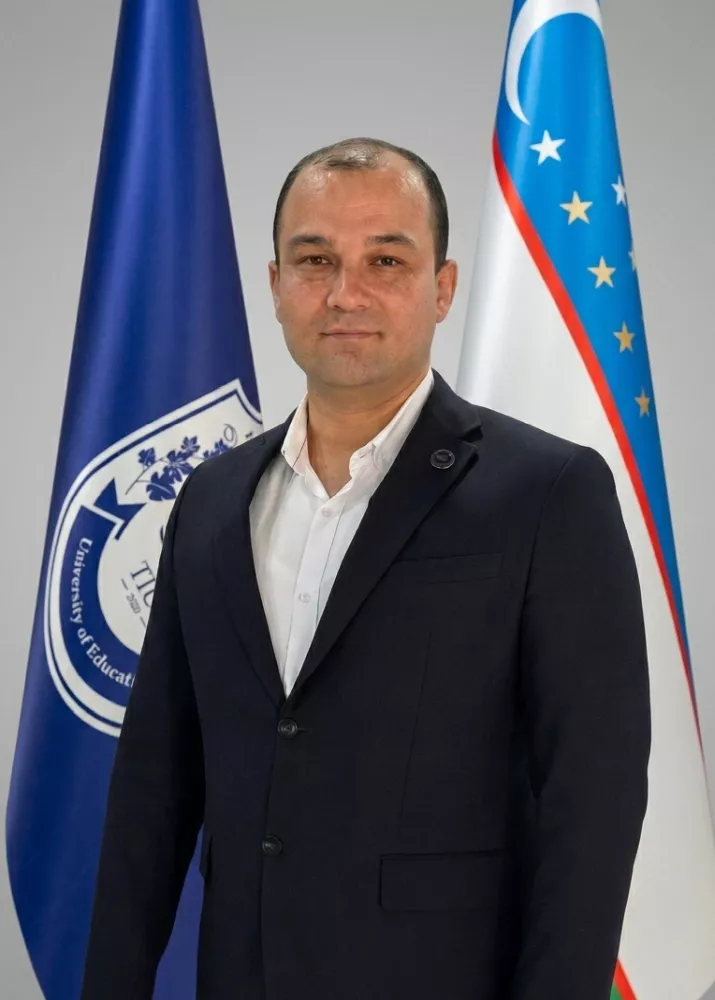
Turakulov Jahongir Anvarjon ugli
PhD, Senior Lecturer of the Department of Information Technologies and Mathematics
Samarkand State University named after Sh. Rashidov, 2020
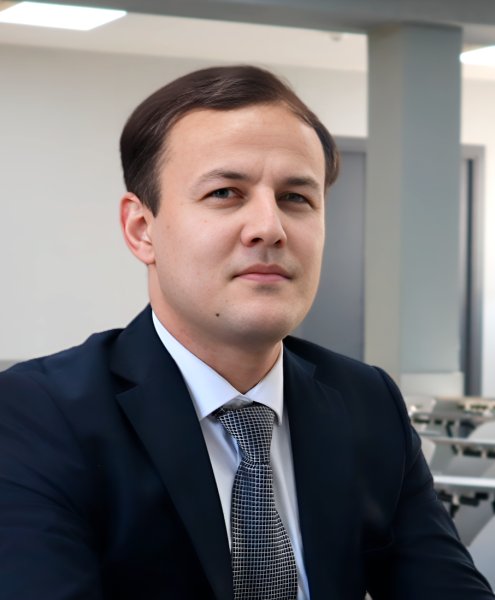
Jabborov Khayitmurod Ishmumin ugli
PhD, Associate Professor of the Department of Information Technologies and Mathematics
Tashkent University of Information Technologies named after Muhammad al-Khwarizmi, 2020
Ruziev Ulugbek Shukhratovich
Senior Lecturer of the Department of Information Technologies and Mathematics
National University of Uzbekistan named after Mirzo Ulugbek, 2019
Kim Elena Valeryevna
Senior Lecturer of the Department of Information Technologies and Mathematics
Volga State Technical University, 2017
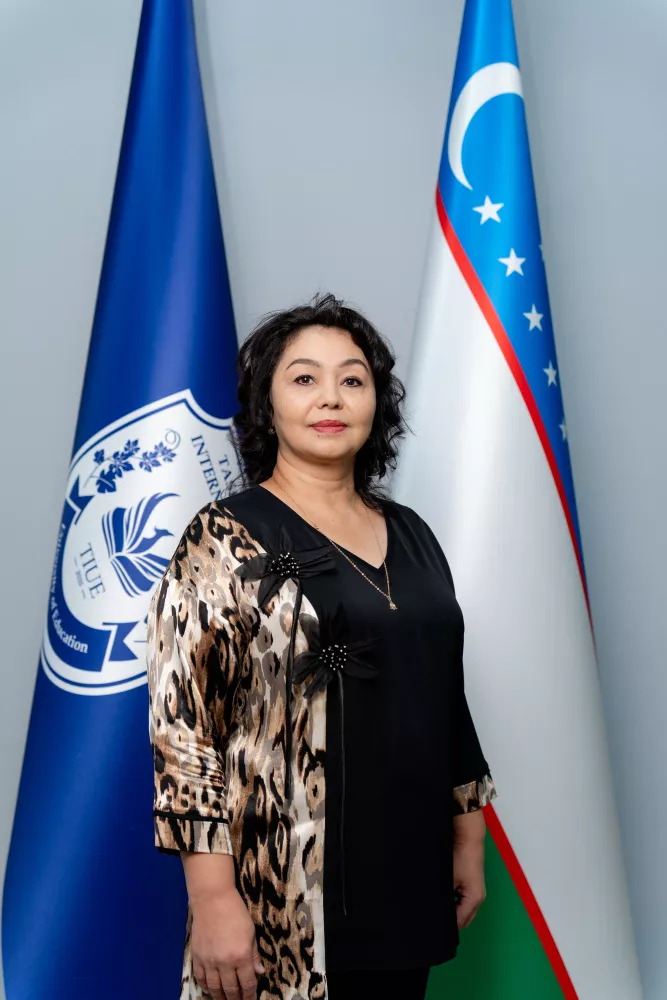
Akhmedova Iroda Nurmukhamedovna
Senior Lecturer of the Department of Information Technologies and Mathematics
Tashkent State Technical University, 1994

Makhkamov Farkhod Aloviddin ugli
Senior Lecturer of the Department of Information Technologies and Mathematics
Tashkent University of Information Technologies named after Muhammad al-Khwarizmi, 2023
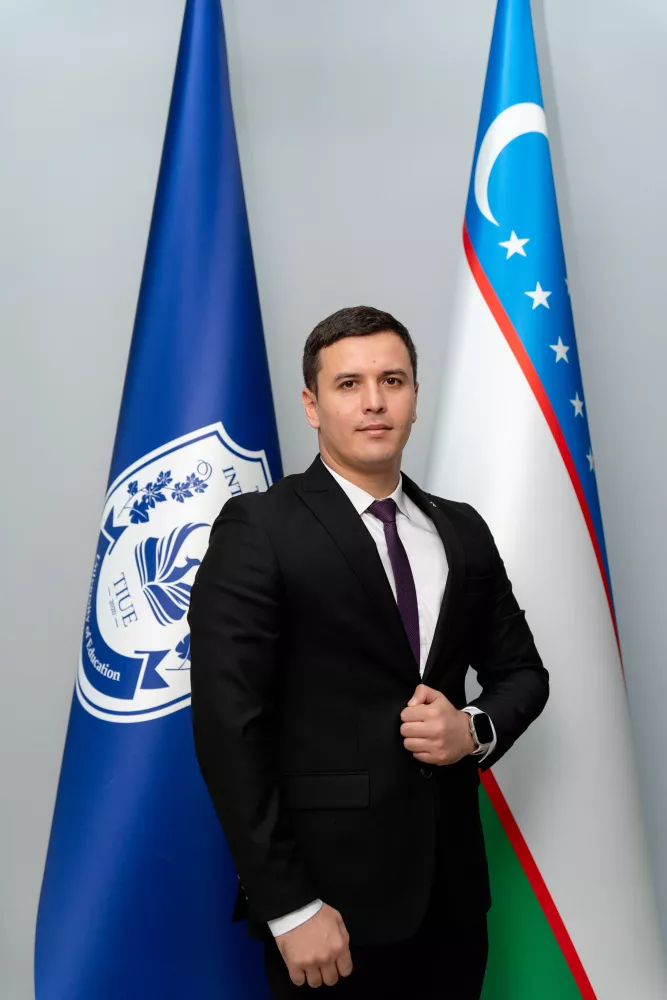
Normurodov Dilmurod Gayrat ugli
Senior Lecturer of the Department of Information Technologies and Mathematics
National University of Uzbekistan named after Mirzo Ulugbek, 2020
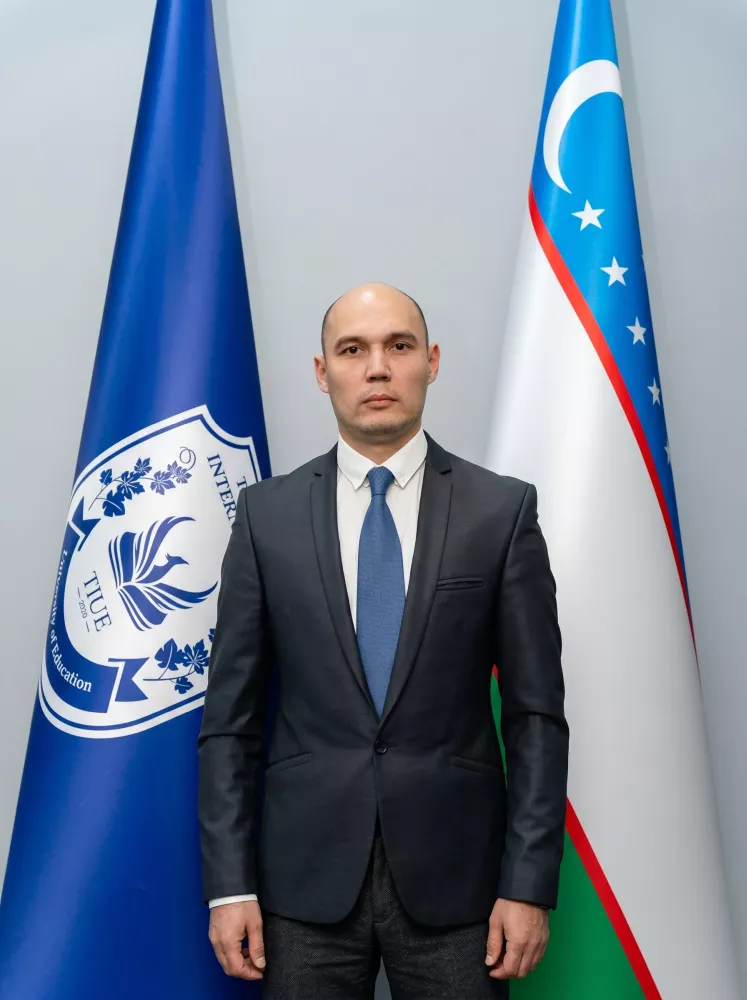
Usmanov Sarvar Nigmatovich
Senior Lecturer of the Department of Information Technologies and Mathematics
Tashkent University of Information Technologies named after Muhammad al-Khwarizmi, 2012
Frequently asked questions about the program
All questions and answersWhen are the entrance examinations held?
Entrance examinations are usually conducted from March to September. Exact dates are published on the university’s official website.
Exams may also be organized on different dates during this period, allowing applicants to choose a convenient registration date.
How much does the entrance examination cost?
The entrance examination at TIUE is free of charge.
Is it possible to apply for a second specialty?
Yes, this opportunity is available, but it depends on the admission committee regulations and the availability of the program in the current academic year. In some cases, the program may be offered as an additional specialty.
When are the entrance examination results announced?
Results are usually announced within 3–5 working days after the examination and are sent by email or published in the applicant’s personal account.
Is it possible to retake the exam if the result is unsatisfactory?
Yes, retaking the examination is possible during the admission campaign period if there is still available time before the examination process ends.
Are there sample questions from previous years for preparation?
Yes, the university provides sample tests and example tasks to help applicants prepare for the entrance examinations.