


About the program
The educational program “Philology and Language Teaching” is aimed at preparing highly qualified specialists capable of effectively teaching Russian and English, as well as developing students’ communicative and intercultural competencies within the school education system.
The program is interdisciplinary, combining philological, pedagogical, psychological, and methodological training.
During the course of study, students develop fundamental knowledge of the structure and functioning of Russian and English, the patterns of their development, and the specifics of teaching them in modern educational environments. Students master theoretical linguistics, grammar, phonetics, lexicology, and stylistics, while also developing oral and written communication skills.
UK-credits based
What knowledge and skills will you gain during the training?
- Linguistic and philological competence
- Intercultural communication skills
- Pedagogical and methodological expertise
- Critical thinking and analytical abilities
What tasks does the specialist solve?
- Teaching Russian and English languages
- Planning and organizing the educational process
- Applying modern pedagogical technologies
- Developing teaching and learning materials
- Organizing extracurricular activities
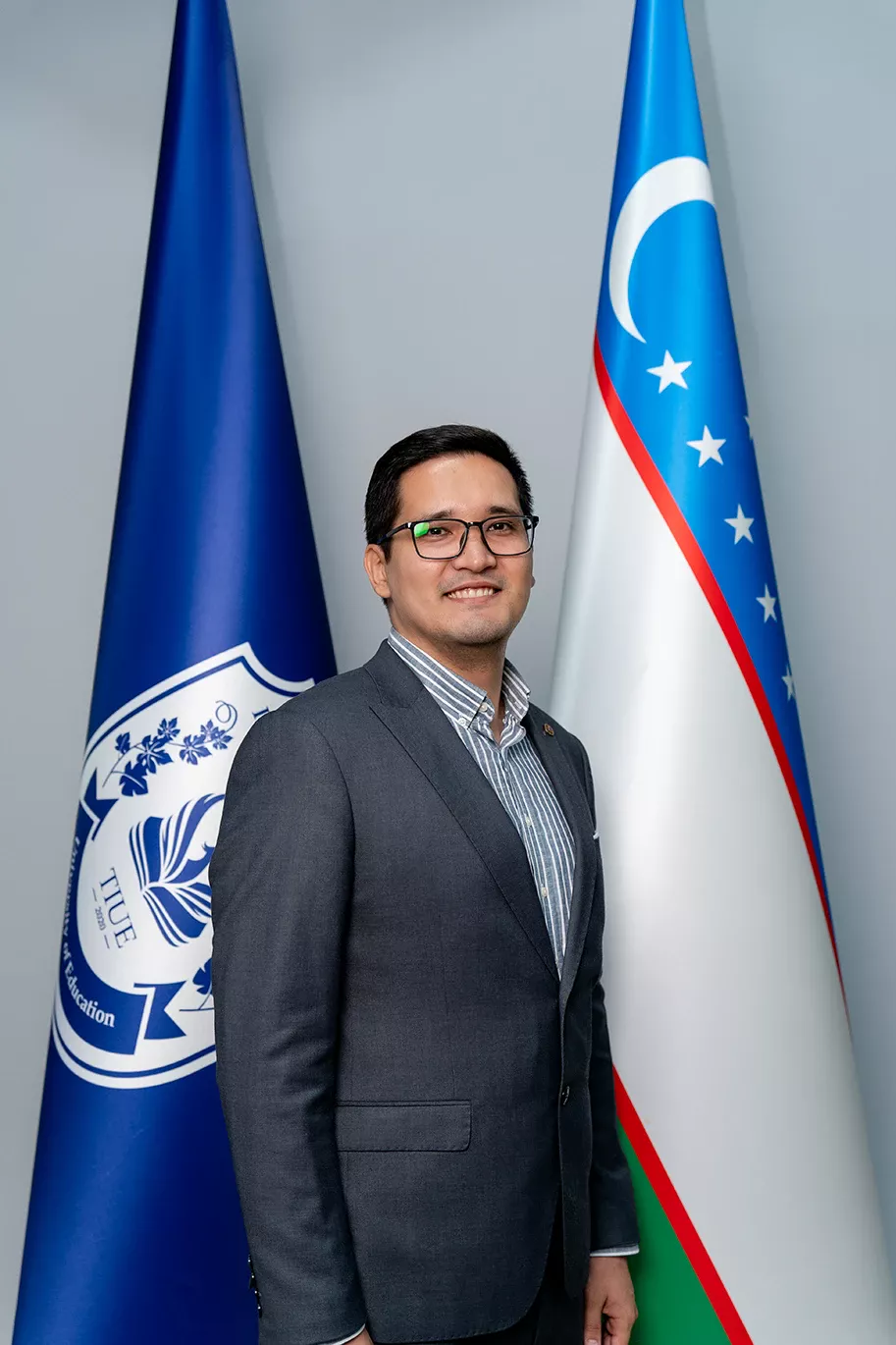
Bekbaev Rauf Rustamovich
Head of the Department of Educational Management and Pedagogy
Doctor of Sciences (DSc) – National University of Uzbekistan, 2025
Reasons to choose this program
Dual Qualification
You become proficient in two languages, significantly increasing your competitiveness in the labor market.
High Demand for Language Teachers
Proficiency in Russian and English opens wide employment opportunities in schools, educational centers, and international organizations.
International Opportunities
Knowledge of English and intercultural communication allows you to work and grow both in Uzbekistan and abroad.
Recognized Higher Education Diploma
In accordance with Article 31 of the Law of the Republic of Uzbekistan “On Education,” diplomas from licensed non-state higher education institutions are recognized on par with those from state institutions.
Ready to take
the next step?
Get advice on admission and learn all the conditions for studying in the program

Curriculum
1 year
Acquisition of fundamental knowledge in the field of Russian language, pedagogy and psychology through the study of modules on the history of language, introduction to linguistics, phonetics, rhetoric, theory of intercultural communication, Russian dialectology, lexicology of the Russian language.
The course also provides for the assimilation of knowledge on general pedagogy and general psychology.
Semester 1
Introduction to Linguistics
10 credits
Russian Phonetics
20 credits
Russian Rhetoric
20 credits
Introduction to Intercultural Communication Theory
10 credits
Modern History of Uzbekistan
10 credits
Semester 2
Russian Dialectology
20 credits
Russian Lexicology
20 credits
General Pedagogy
10 credits
General Psychology
10 credits
History of Language
10 credits
2 year
All TIUE faculty members are passionate about their subject and want to pass that on to their students. For our professors and instructors, nothing is more exciting than teaching students who are ready to dive into the unknown with them. Passionate and dedicated teachers are ready to give inquisitive students the skills, confidence and knowledge they need for the future. Our faculty members are real experts and practitioners with extensive experience in companies and with vast experience in academic research.
Our faculty members strive to not only teach students the skills they need for their first job, but to prepare them for any path, any future, and any challenge.
Semester 3
Trends in Modern Linguistics
10 credits
Philosophy
10 credits
Morphemics and Word Formation in Russian
10 credits
Theoretical English Grammar
20 credits
Theoretical English Phonetics
20 credits
Semester 4
Practical English Grammar
20 credits
Practical English Phonetics
20 credits
English Syntax
10 credits
Religious Studies
10 credits
3 year
Deepening of acquired knowledge and skills with the study of morphology, English and Russian language stylistics, language theory, English lexicology, and literature.
In addition, this course includes oral and written language practice, as well as English communicative practice.
Semester 5
Russian Punctuation
10 credits
Russian Morphology
10 credits
English Stylistics
20 credits
Russian Stylistics
20 credits
Semester 6
Theory of Language
10 credits
English Lexicology
20 credits
Literature of the Target Language Countries
10 credits
Practice of Oral and Written Communication
20 credits
4 year
Improvement of knowledge and skills with in-depth study of modules on modern trends in foreign language teaching, theory of cognition, development of teaching materials, as well as a workshop on analyzing a fiction text. The course also includes modules on the methodology of teaching English and Russian, as well as pedagogical practice.
The course ends with the preparation and defense of the final qualification work.
Semester 7
English Communication Practicum
10 credits
Methodology of Teaching English
20 credits
Methodology of Teaching Russian
20 credits
Semester 8
Teaching Practice
20 credits
Final Qualification Thesis or Graduation Exam
20 credits
Tuition fees for the program
18 000 000 UZS
UZS/year
International students in Uzbekistan pay the indicated tuition fees. Outside of Uzbekistan, payment is made in US dollars at the exchange rate set by the Central Bank of the Republic of Uzbekistan on the day of payment.
How to pay for tuition
Admission requirements for the first year of study
To apply for admission, all applicants must submit anONLINE APPLICATION ONLY THROUGH THE UNIVERSITY’S OFFICIAL WEBSITE.
Eligible Applicants
- — Graduates of schools, colleges and academic lyceums. Applicants must be at least 16 years old by December 31, 2026.
- — Applicants must successfully pass the TIUE entrance examination.
Required Documents
- — High school certificate (Grade 11) or academic lyceum/college diploma with transcript
- — Copy of ID card
How to apply
Submit an application through the official website
Provide documents
Pass the entrance exams
Pay your tuition and become a student
Teachers of the program
Bekbaev Rauf Rustamovich
Head of the Department of Educational Management and Pedagogy
Doctor of Sciences (DSc) – National University of Uzbekistan, 2025
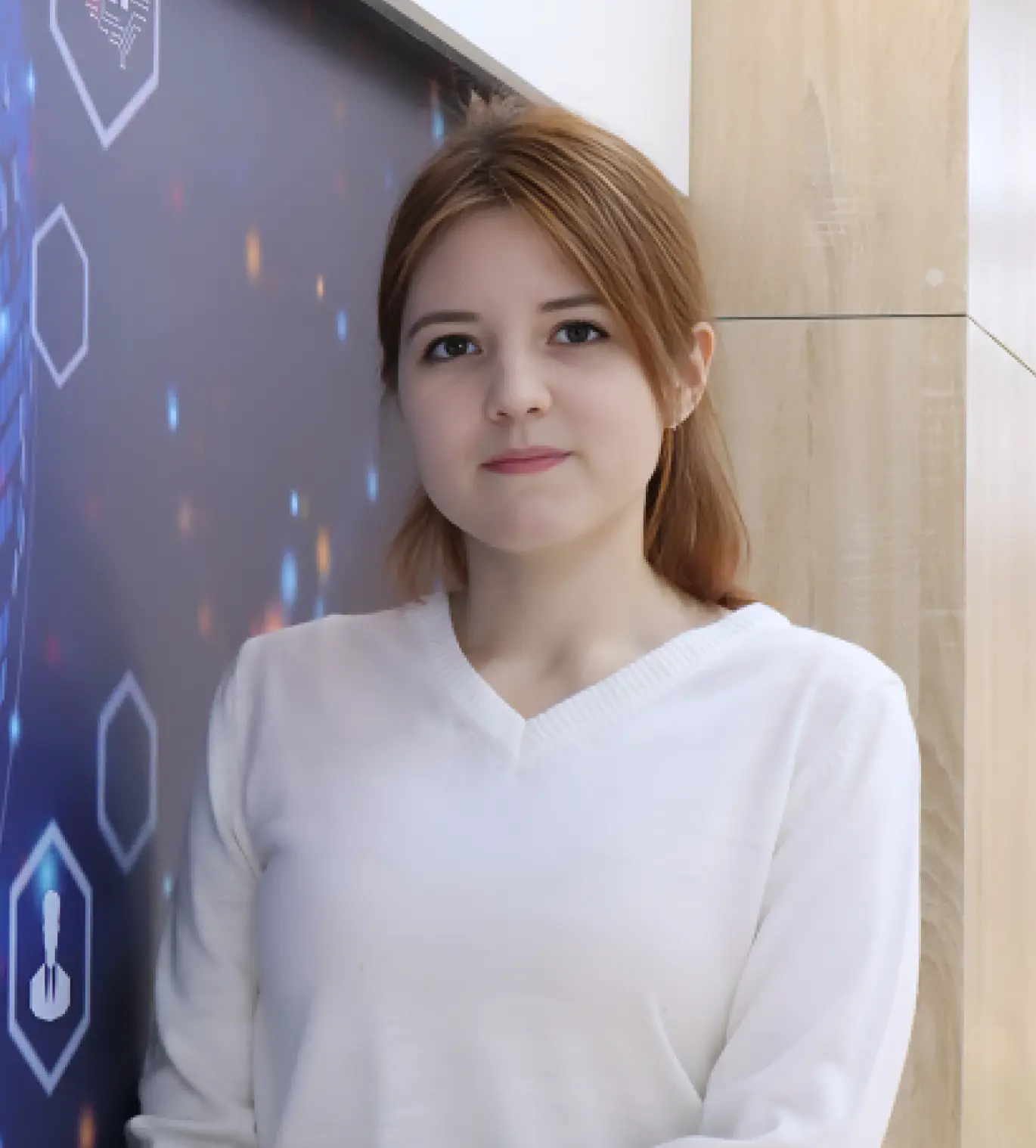
Davydova Rufina Arturovna
Lecturer, Department of Educational Management and Pedagogy
Master’s Degree in Philosophy – National University of Uzbekistan, 2023
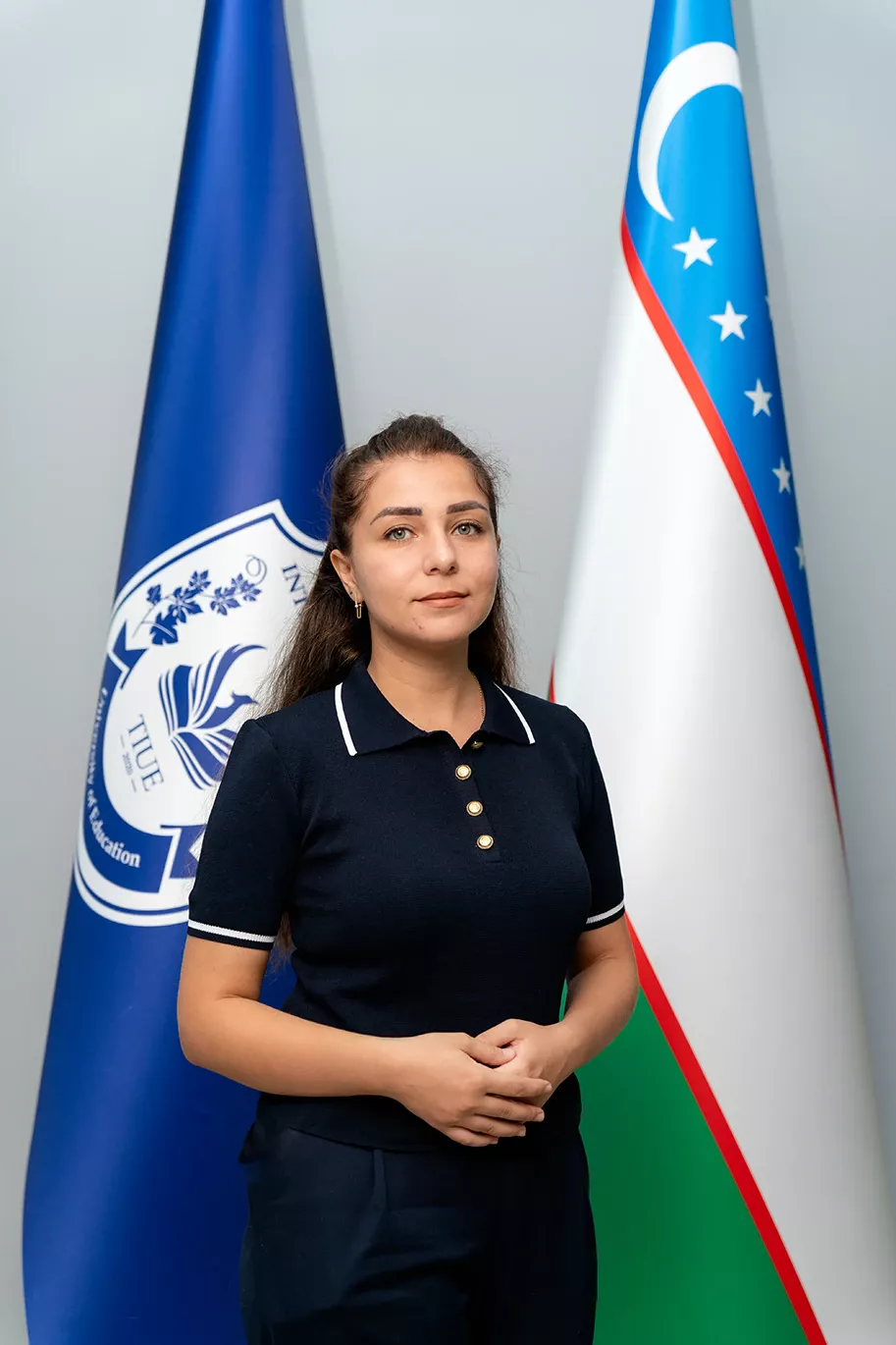
Fadlieva Amina Ilkhamovna
Lecturer, Department of Educational Management and Pedagogy
Master’s Degree in Pedagogy – Tashkent International University of Education, 2025
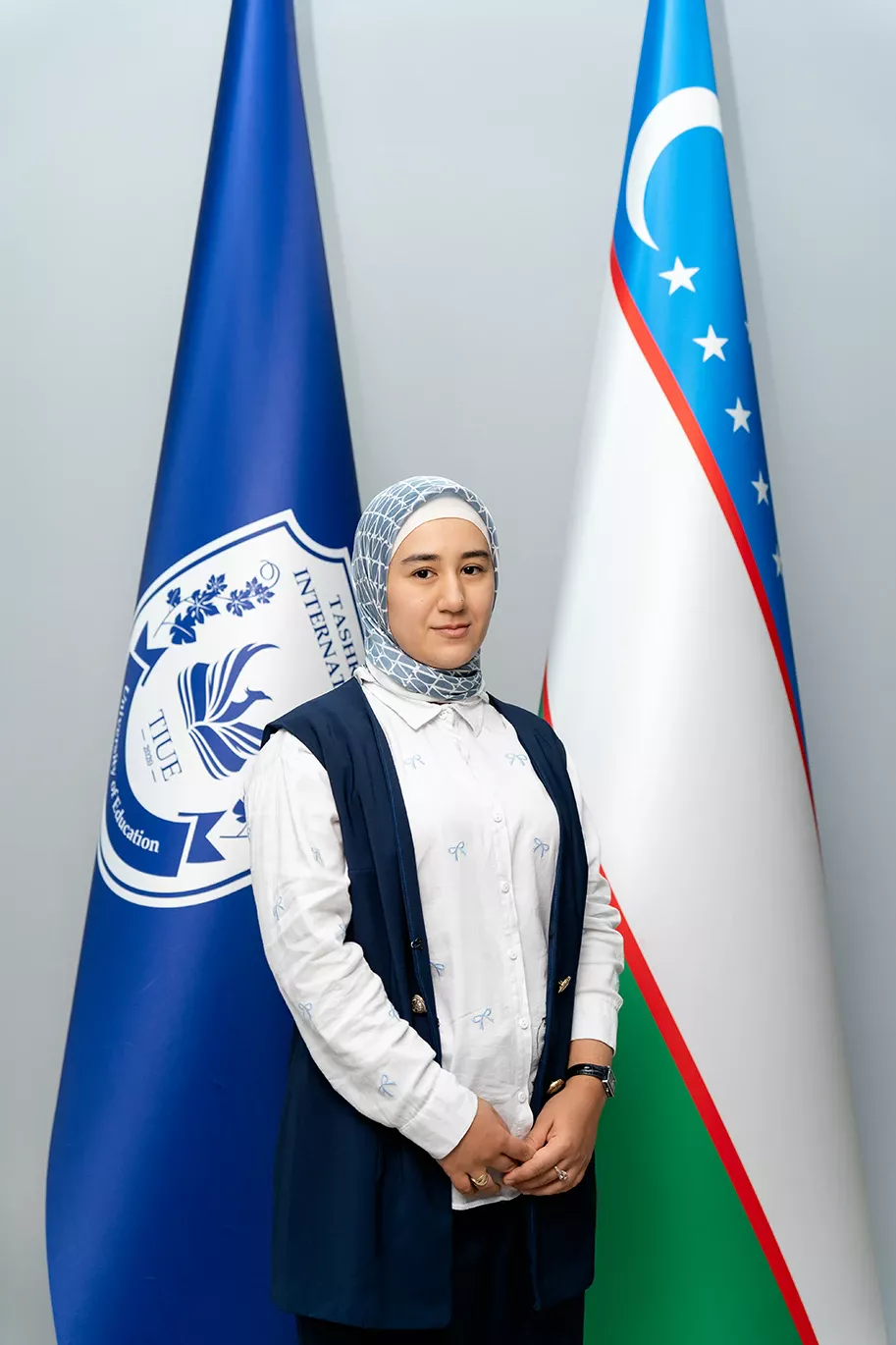
Juraeva Nilufar Shovkatovna
Senior Lecturer, Department of Educational Management and Pedagogy
Master’s Degree in Philology – Uzbek State World Languages University, 2021
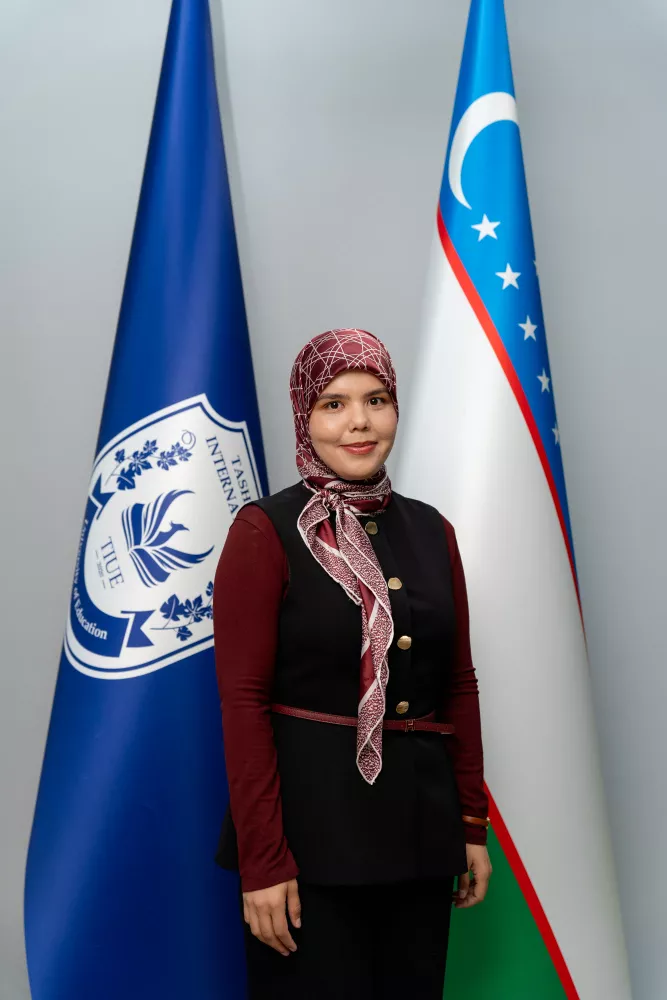
Azamatova Gulrukh Islom qizi
Lecturer, Department of Educational Management and Pedagogy
Master’s Degree in Management – University of World Economy and Diplomacy, 2022
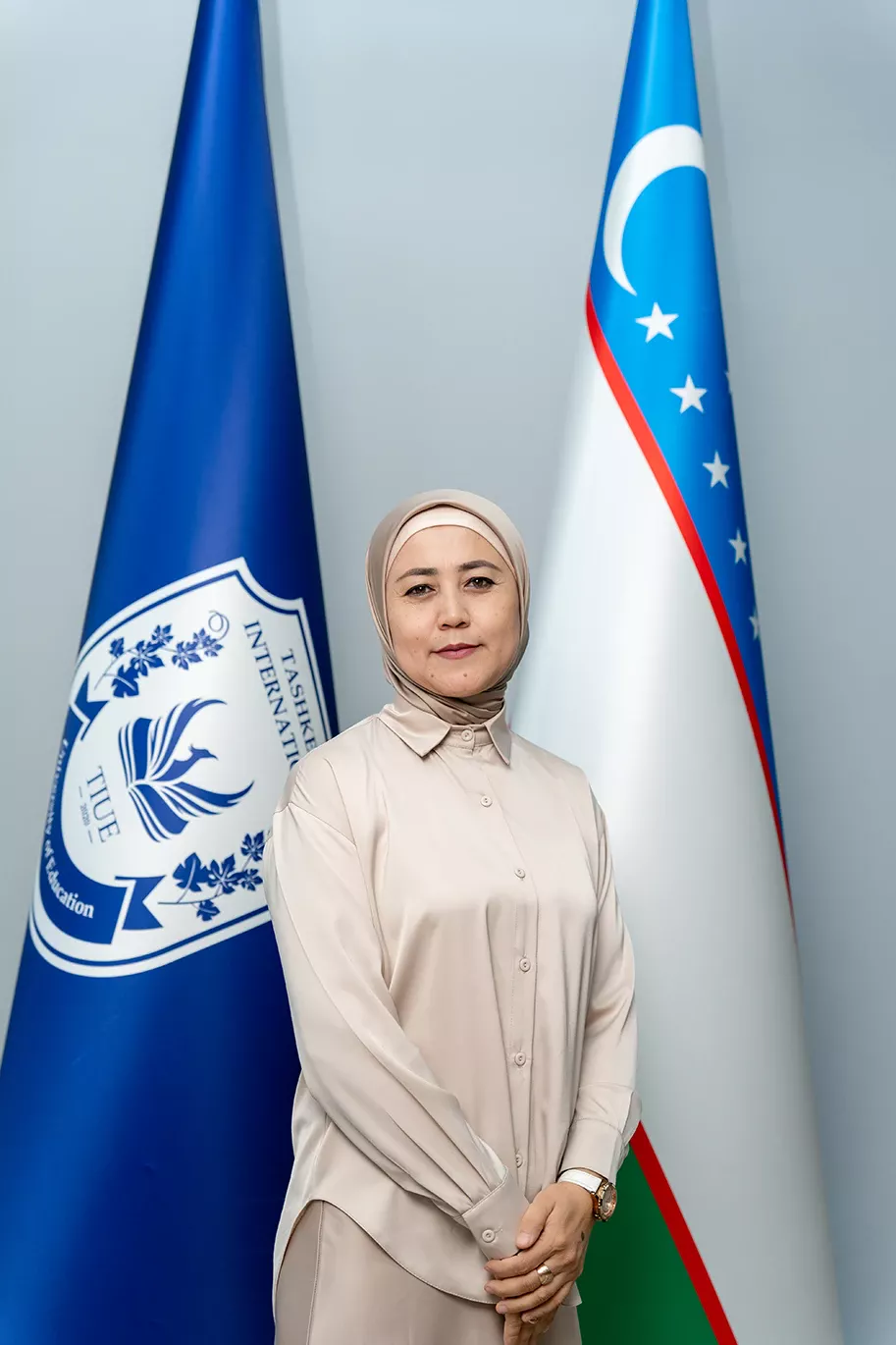
Abdurakhmonova Zuhra Abdurakhmonovna
Associate Professor, Department of Educational Management and Pedagogy
Doctor of Philosophy (PhD) – Tashkent State Pedagogical University, 2021
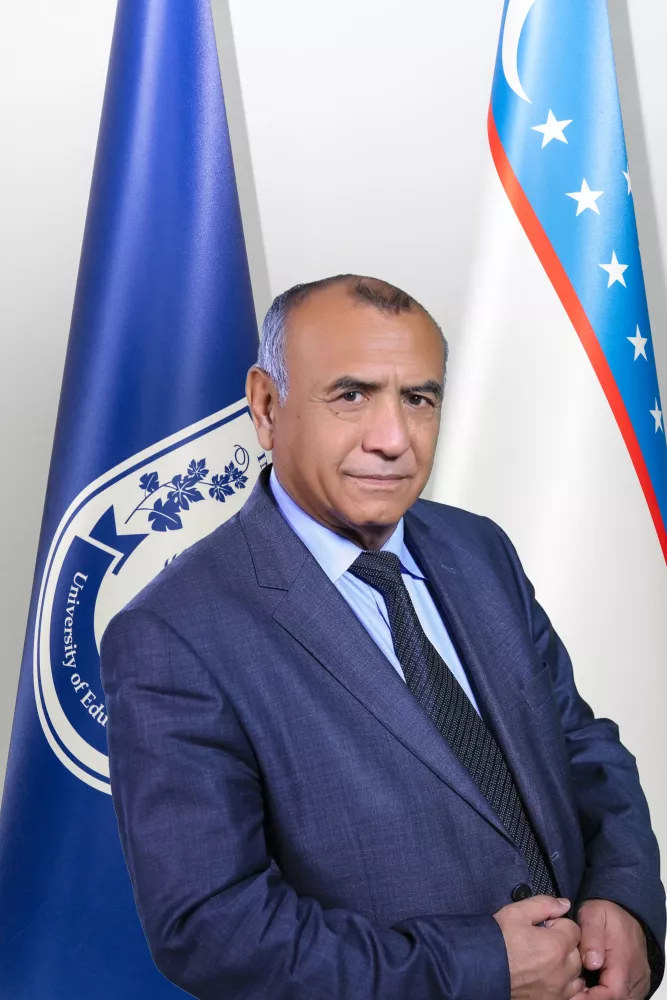
Khodjaev Nodir Sadirovich
Professor, Department of Educational Management and Pedagogy
Candidate of Sciences – Odessa Electrotechnical Institute of Communications, 1977
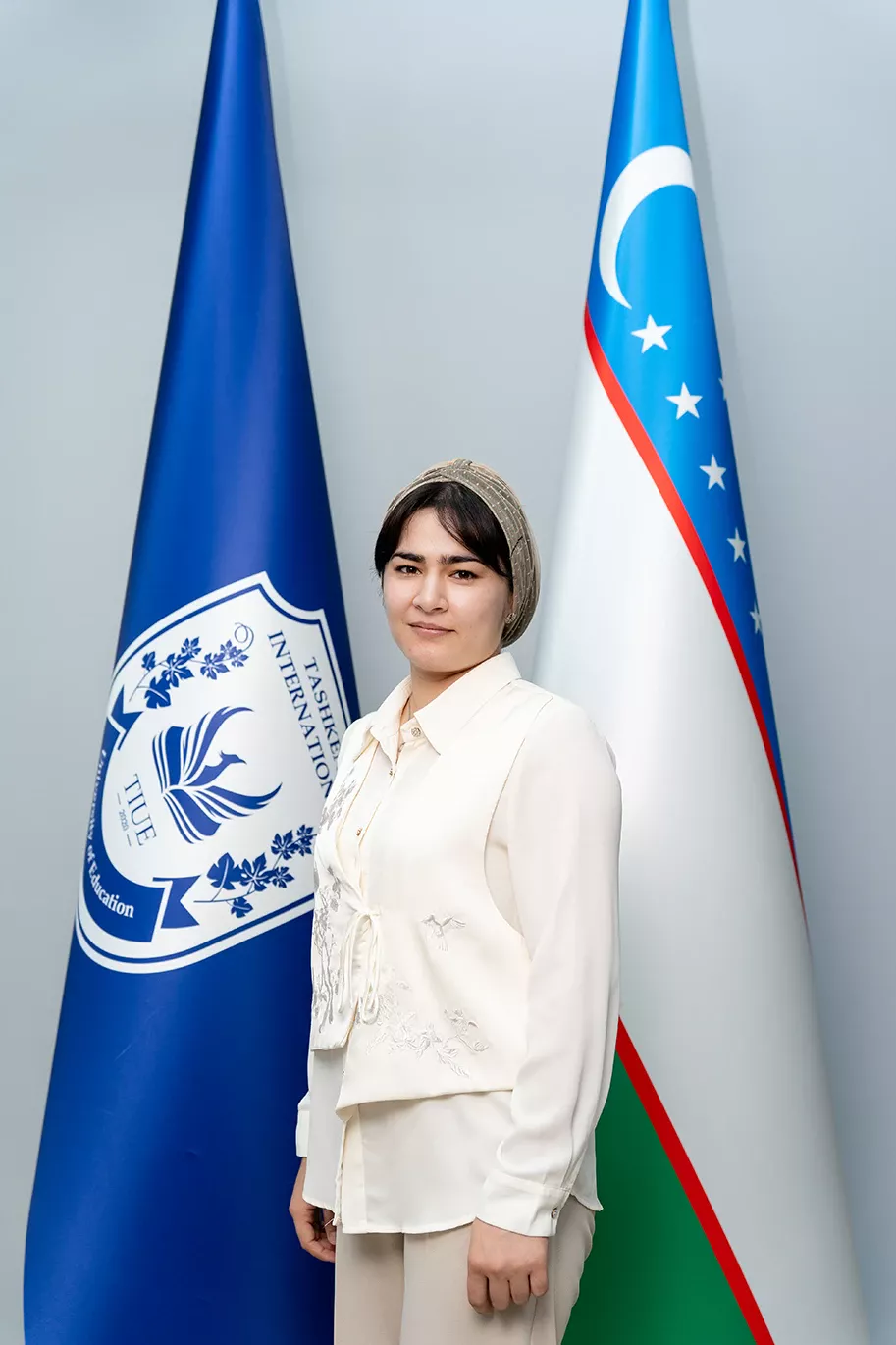
Mamajonova Shakhzodakhon Yokubjon qizi
Senior Lecturer, Department of Educational Management and Pedagogy
Master’s Degree in Psychology – National University of Uzbekistan, 2023
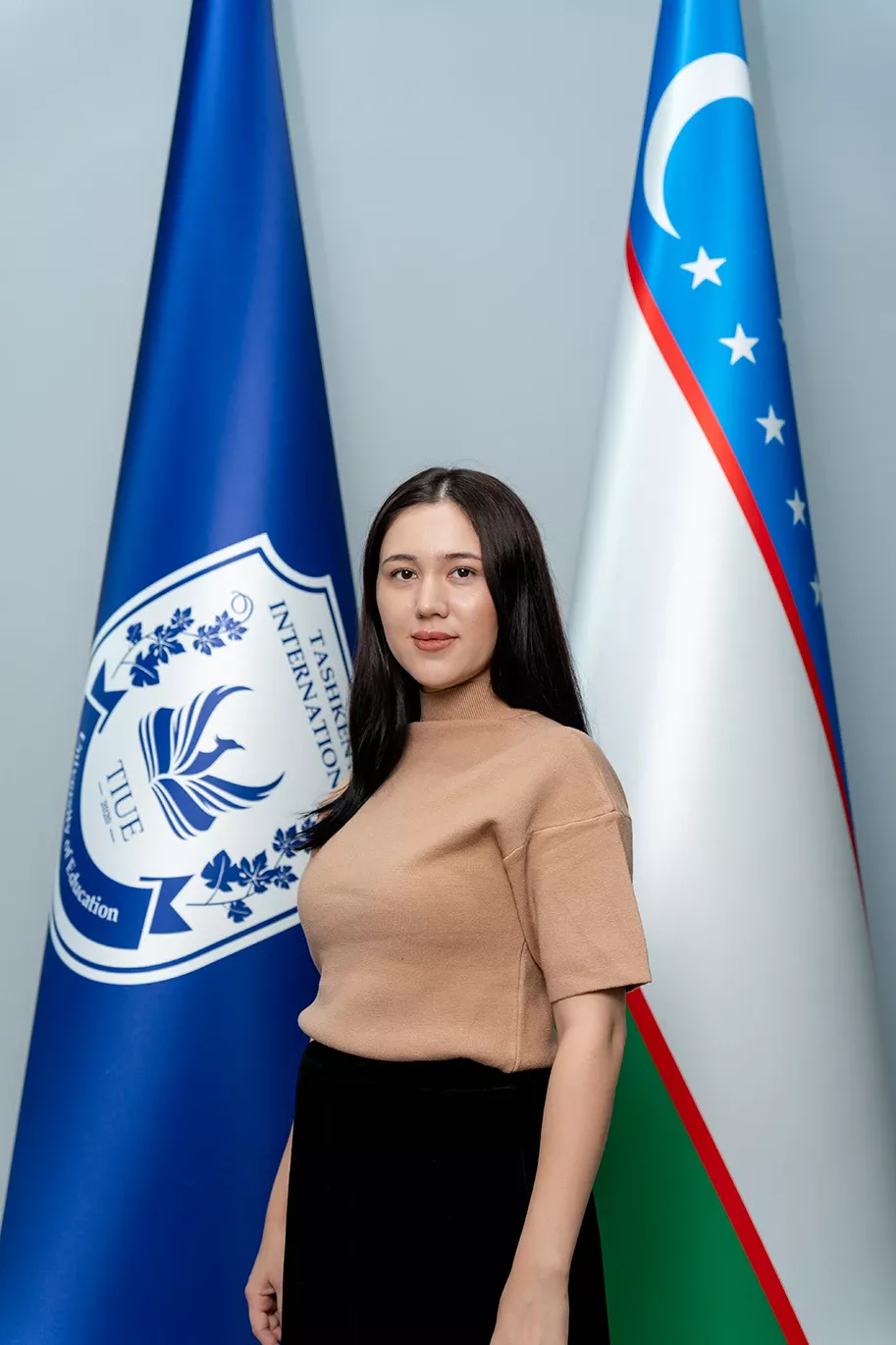
Saidova Kamola Uskanbaevna
Professor, Department of Educational Management and Pedagogy
Doctor of Sciences (PhD) – Kary Niyazi National Institute of Pedagogical Education, 2025

Usmanova Nazokat Mirzokhidovna
Lecturer, Department of Educational Management and Pedagogy
Master’s Degree in Pedagogy – Tashkent International University of Education, 2025
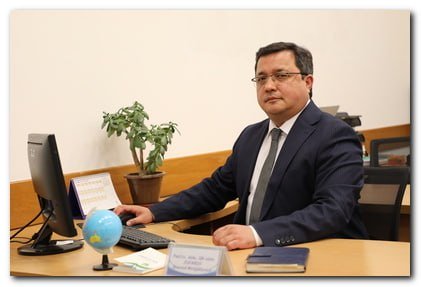
Zufarov Sherzod Mirdjalilovich
Associate Professor, Department of Educational Management and Pedagogy
Candidate of Sciences – Tashkent State Pedagogical University, 2011
Frequently asked questions about the program
All questions and answersWhen will the entrance examinations be held?
The schedule of entrance exams is announced on the official university website.
How much does the entrance examination cost?
The entrance exam is usually free of charge, but applicants should check the official announcements for confirmation.
Is it possible to apply to TIUE for a second degree program?
Yes, applicants may apply for a second specialty depending on admission rules and available programs.
When will the results of the entrance examinations be announced?
Results are published on the official university website after the examination process is completed.
Is there an opportunity to retake the entrance exam if the initial result is unsatisfactory?
Retake opportunities depend on the university’s admission policy for the current academic year.
Are there past exam questions available for preparation?
Yes, sample or previous years’ questions may be provided to help applicants prepare.